Carroll County Schools
from fragmented identity to strategic clarity
When Superintendent Casey Jaynes arrived at Carroll County Schools, in his first month on the job, he asked his secretary, Tracy, for a piece of letterhead so he could write a recommendation letter. She brought him two, each with a different mission statement. Nobody in the building could tell him which one was right.
That moment crystallized a bigger problem: the district didn't know who it was. Over the next three years, Carroll County partnered with The Alchemy Collaborative to build the foundational identity, strategic infrastructure, and communication systems that would eventually support a local accountability dashboard, but they started by solving the two-letterheads problem first.
the challenge
Carroll County wasn't suffering from a lack of good work. The district was doing strong work with students every day. But without a unified identity, strategic alignment, or story infrastructure, that work stayed invisible to the community, to stakeholders, and sometimes even to the district itself. Three core challenges stood in the way of building a local accountability system that would actually serve families.

no shared vision
Two different letterheads with two different mission statements meant there was no shared understanding of what success looked like for Carroll County students. You can't measure what matters if you haven't first defined success with your community. The district needed a Portrait of a Learner that actually reflected their values and geography.
dashboards without narrative architecture become just another report card
Many districts jump straight to building data dashboards without first building the story infrastructure to make that data comprehensible to families. The result: another jargon-filled Google Sites page that looks like compliance, not communication. Carroll County needed to build narrative infrastructure: shared language, consistent storytelling, and a content tagging system BEFORE layering in performance data.
communications people weren't at the table
When communications staff aren't involved in accountability planning from the start, the work stays invisible AND inaccessible to the community. Carroll County's communications director, Jennifer Willhoite, needed to be an active partner in shaping how the district's story would be told (and not just the person tasked with "making it look good" after decisions were already made). The Four Habits of Inclusive Design require reciprocity and co-creation between district leadership and communications.
the alchemy collaborative approach
build shared identity first
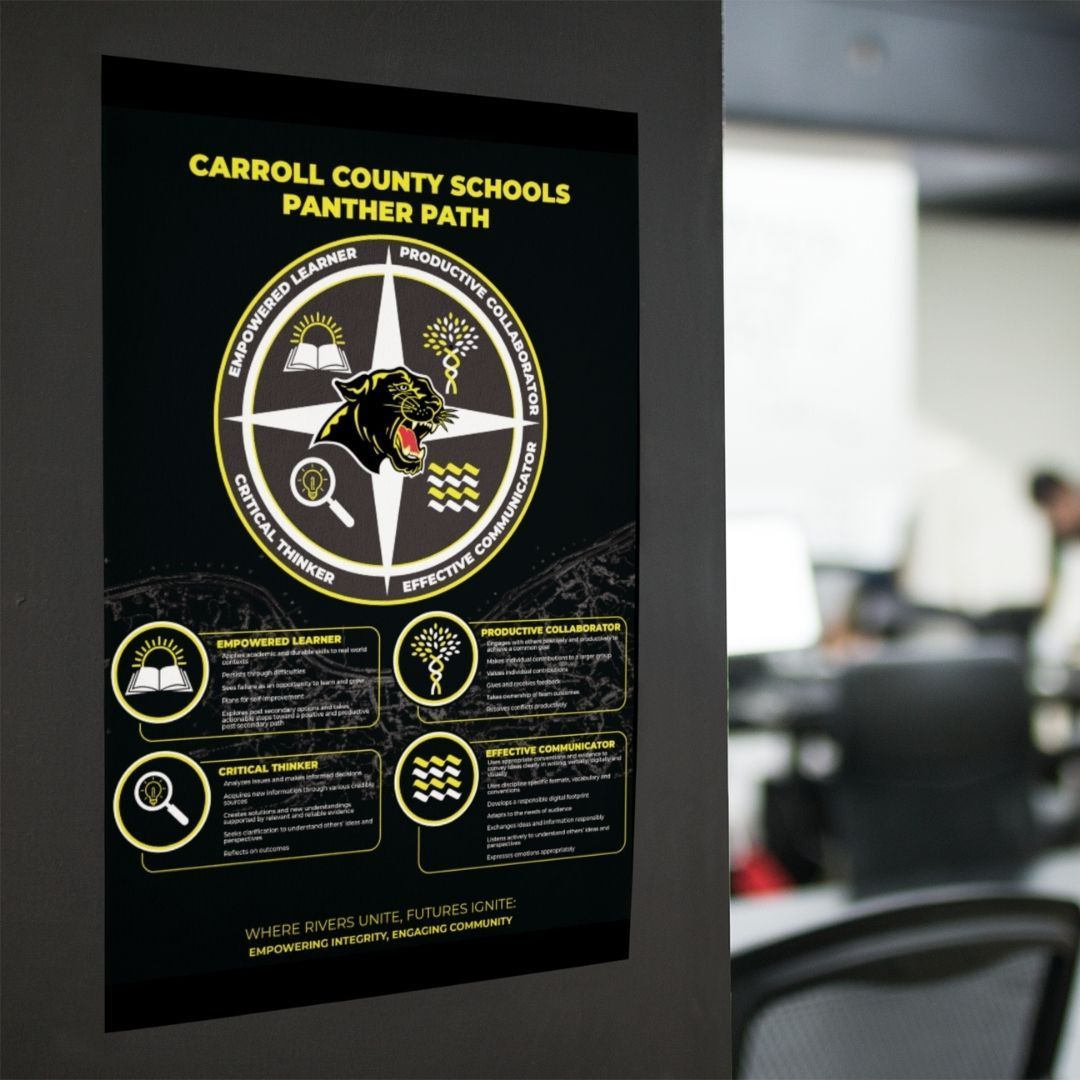
efore anything else, the district needed to know who it was. Carroll County engaged over 120 community stakeholders in workshops to co-create a new mission, vision, and tagline grounded in local geography: "Where Rivers Unite, Futures Ignite" (reflecting the confluence of the Kentucky River and Ohio River in Carroll County). This work resulted in the Panther Path, their Portrait of a Learner with four competencies: Empowered Learner, Productive Collaborator, Critical Thinker, and Effective Communicator. The district also created rubrics and "I Can" statements for K-12 so teachers and families could see what success looked like at every grade level.
align strategy around stakeholders, not silos
With a shared identity in place, Carroll County built a strategic plan organized around four stakeholder groups: Panther Scholars (students), Panther Partners (community), Panther Leaders (teachers and principals), and Panther Guardians (central office). Each group formed committees that initially met monthly to set goals, and now continue to run Plan-Do-Study-Act cycles and track progress. This structure ensured that the strategic plan was a living system that connected to real people doing real work and not just a simple compliance document.
build story infrastructure before adding data
Instead of jumping straight to a dashboard, Carroll County redesigned their website using the Apptegy platform to create story infrastructure first. They built separate pages for Panther Foundations (strategic plan metrics and staff engagement) and Panther Path (academic outcomes and student learning). Jennifer Willhoite plans to begin tagging news stories by Panther Path competencies so that content can be automatically filtered and displayed. The district prioritized making learning visible through authentic stories about its classrooms, student work, and teacher innovation, to name a few, before layering in performance data. This approach ensured that when the dashboard eventually launches, it tells a story families could understand, not just a compliance report they'd ignore.
prepare for dashboard integration with platform consistency
Carroll County made a strategic decision to host its accountability dashboard within the Apptegy platform that families already used (via the district app and website) rather than building a separate website page like Google Sites or other competing platforms. This maintained consistency, reduced fragmentation, and ensured the dashboard would be updated alongside the district's regular storytelling. The team worked with Alchemy, our friends at elevatED studios, and various other partners to design a dashboard model that would eventually integrate live data feeds from their OTUS platform while continuing to showcase tagged stories that illustrated what "Empowered Learner" or "Critical Thinker" actually looked like in Carroll County classrooms.
the result
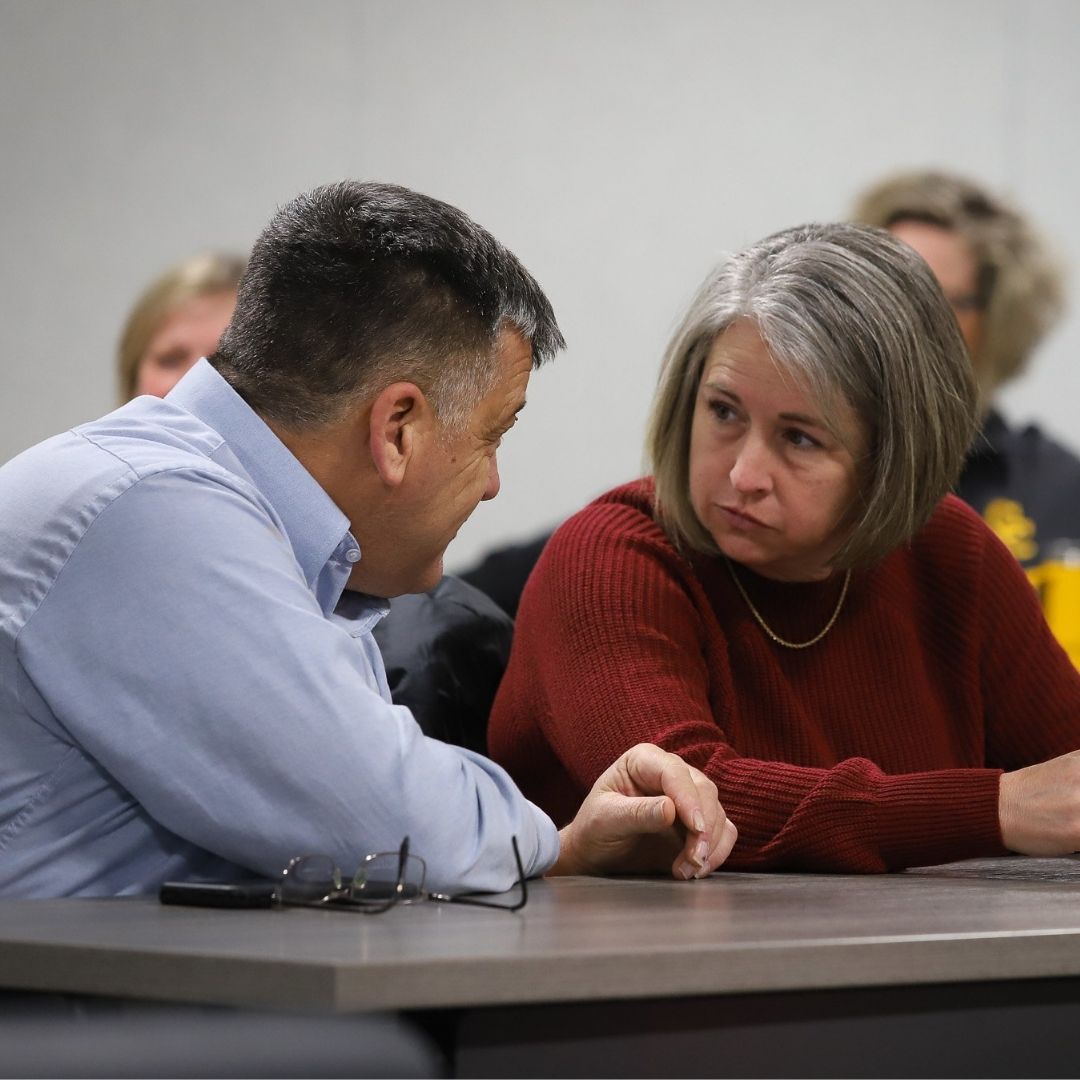
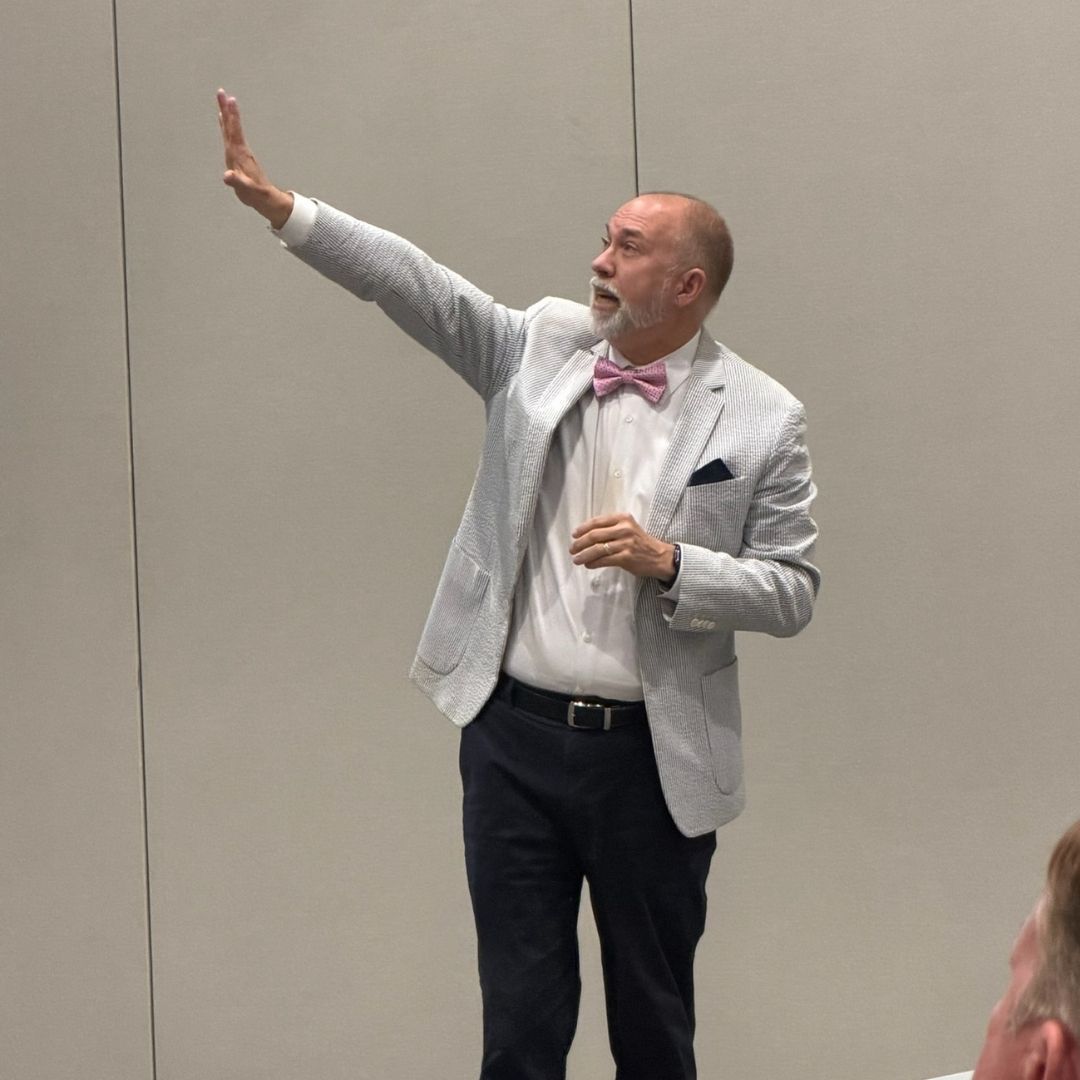
"You have to be an active member of your own message. We spent three years building the foundations before we ever touched a dashboard, and that's why it will actually work for our community. We're not just reporting data. We're telling the story of what our students are learning and who they're becoming." -Casey Jaynes, Superintendent, Carroll County Schools
your school, your district, your story.
ready to elevate your brand?
let’s create something that captures your legacy, values, and vision.
